Butterscotch originated in England in the 19th century. It is a hard candy that combines butter and brown sugar.
An English confectioner named Samuel Parkinson is credited with creating the first butterscotch candies. He called the candy “Buttery Brittle Toffee.” It later became known as “Butterscotch.” The UK National Archives notes that Parkinson’s Doncaster Butterscotch was the most popular product marketed by the company.
No one is sure how the term “butterscotch” came about. Some say it refers to the butter and the scotching or scoring method used to separate the candy into pieces before it hardened.
One source says that the “scotch” in butterscotch is derived from the word “scorch” and refers to the temperature the candy is exposed to during the cooking process.
Butterscotch is known for its superior flavor profile. It combines caramelized brown sugar and butter to produce a sweet, slightly salty, indulgent taste that is more intense than caramel. The main difference between butterscotch and caramel is that caramel is made with white sugar and a relatively small proportion of butter.
Butterscotch chips were developed in the 20th century as a baking ingredient. Nestle introduced the first commercial butterscotch chips in the 1970s. They quickly gained popularity and have become a beloved ingredient for bakers. They are used in cookies, desserts, and other confections.
Butterscotch chips were created to provide convenience for bakers, but they can also be made from scratch at home with butter, brown sugar, vanilla, and a little flour to achieve the right consistency. Once melted, the ingredients are dropped onto foil or parchment to form small chip shapes, which are then allowed to cool and set. Homemade chips can be dairy-free or vegan by substituting plant-based butter alternatives.
Butterscotch chips have a rich, creamy butter-and-brown-sugar flavor with caramel undertones.
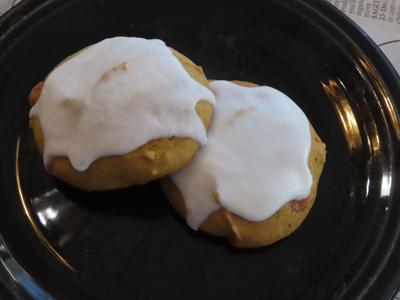
Compared to chocolate chips, butterscotch chips have a different melting point. They melt smoothly and don’t retain their shape as well during baking. I found this to be true with the Pumpkin Butterscotch cookies I baked last week.
In addition to the most familiar recipes like brownies, oatmeal butterscotch cookies, and butterscotch magic bars (7-Layer Bars) that use butterscotch chips, the morsels can be used in pancakes, muffins, and fudge. They can be melted in the microwave or in a double boiler for drizzling over cakes or pastries. They can be added to granola or trail mix.
Butterscotch chips can often be substituted for other types of chips, such as chocolate or peanut butter.
Butterscotch chips should be kept in a cool, dry place, away from direct sunlight, as they melt easily. They should be kept in air-tight containers to prevent moisture that could cause them to clump together. Do not store the chips in the refrigerator, as the humidity can cause condensation that leads to clumping.
During the recent cold spell, I was craving something sweet. I had a package of butterscotch chips and a can of pumpkin, and wanted to make something that would use both. I found a recipe for Pumpkin Butterscotch Cookies. The chips added a delightful twist to an ordinary pumpkin cookie recipe. I added a handful of chopped pecans to the mix and iced the cookies with some leftover vanilla icing. They were a delicious treat on a cold, snowy day.
Indulge in the rich, velvety goodness of butterscotch by adding butterscotch chips to your baking repertoire.
Pumpkin Butterscotch Cookies
· 2 cups flour
· 1 ½ teaspoons baking powder
· 1 teaspoon baking soda
· 1 teaspoon ground cinnamon
· ½ teaspoon salt
· 1 cup white sugar
· 2 large eggs
· 1 cup pumpkin purée
· ½ cup oil
· 1 teaspoon vanilla
· 1 cup butterscotch chips
· 2 tablespoons confectioners' sugar, or as needed
1. Preheat the oven to 325°. Line 2 baking sheets with lightly greased parchment paper.
2. Whisk flour, baking powder, baking soda, cinnamon, and salt together in a bowl. Set aside.
3. Beat sugar and eggs together in the bowl of a stand mixer fitted with the paddle attachment until smooth and creamy. Scrape down the sides of the bowl and paddle with a rubber spatula. Beat in pumpkin purée, oil, and vanilla extract on low speed until blended.
4. Beat flour mixture into pumpkin mixture on low speed until just incorporated. Fold in butterscotch chips.
5. Drop dough 2 inches apart onto the prepared baking sheets.
6. Bake in the preheated oven until edges are golden, about 15 minutes. Cool on baking sheets briefly, then transfer to a wire rack to cool completely. Sprinkle cookies with confectioners' sugar. NOTE: I iced my cookies with some leftover vanilla icing. I also added a handful of chopped pecans to the dough, which gave the cookies a nice flavor and texture.