





Five Democrats are running to represent one East End ward on Charleston City Council.
Kathy Rubio, Mataio Swain, Nathan Jones, Robert Sheets and Sarah Martin Anderson are all running in the ward.
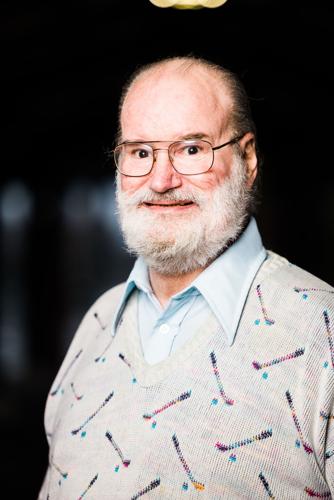
Sheets, who is retired, is seeking his fourth term on city council. He said “getting things done” led him to want to run again this year.
“I’ve been advocating for 14 years for LED lighting, and the city is finally doing LED lighting citywide later this summer,” Sheets said.
A city spokeswoman said the city has budgeted funds to upgrade existing streetlights with LED lighting, but there’s no time frame for the project yet.
As one of nine candidates running with Charleston Can’t Wait, Sheets supports a platform that includes establishing a city minority affairs office and a municipal broadband system, and decriminalizing harm reduction to include providing drug users a safe injection site. It also includes decriminalizing cannabis.
Sheets said decriminalizing cannabis would be an incentive to get the state Legislature to do the same.
“[It] would be a billion-dollar-a-year industry in West Virginia,” Sheets said of marijuana. “It’d put money in the hands of West Virginians and give them money to go out to dinner, entertainment, fix up their homes, start new businesses. And it would help the city of Charleston by taking up a lot of vacant building space.”
Sheets said he also supports the organization’s plan to invest in the West Side. The organization’s platform includes putting $10 million in American Rescue Plan funding into a West Side Community Development Authority.
“The West Side is like the East End used to be,” Sheets said. “When I first came back in 1993 to my childhood home, it was right in the middle of a crack block. And for two years I called 911 to report gunshots going off every month, many times, more than once a month. It led me to get the Child Protection Act passed, which was a curfew law, and also during the [Mayor Kemp] Melton administration, I got streetlights upgraded.”
Last year when city council considered a bill that would further restrict harm reduction programs, Sheets was the lone no vote.
As a member of the board for the Living AIDS Memorial Garden, Sheets said he knows about HIV.
“The HIV cases coming in Kanawha are mainly from needle [sharing],” he said. “And, unfortunately, it’s a major problem everywhere the opioid crisis is — throughout, majorly throughout West Virginia, southern West Virginia and Kentucky and Virginia, in the coalfields. And so, the way to address it [is to] get more programs in that would help serve people in recovery.”
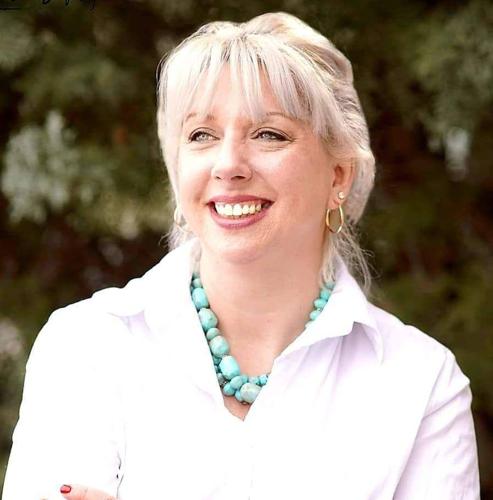
Originally of Beckley, Kathy Rubio has lived in Charleston since she opened her business, Spa Bliss, here in late 2006, she said.
“I don’t consider myself a politician at all,” Rubio said. “I am a business owner and a concerned citizen, I guess. I just live in Ward 8, bought property in Ward 8 and my business is in Ward 8. I just thought, instead of talking about how you wish things would change, I thought maybe I would try to do something about it.”
She said if elected, she’s interested in the Charleston Urban Renewal Authority and getting the city’s empty buildings occupied.
“I’d like to see some more green space, but I think the whole area would improve if we could fill these buildings and keep people from moving out of Charleston,” she said.
Rubio said the process of buying her building and opening a business wasn’t easy. If elected, she hopes she can help make the process easier for other business owners and help them access resources that are available to them.
“I don’t know what kind of difference I can make but I would like to try to try to work with people and make it maybe a little easier,” she said.
Nathan Jones is the director of the Craik-Patton House museum and a musician in the band Peddlers Glory. Originally of Kingwood, Jones moved to Charleston in 2015.
Stories you might like
- WV Senate fast-tracking bill that would weaken protection from oil, gas tank spills
- Man, fleeing police, charged in fatal Interstate crash in Putnam County
- Lawmakers try again to change ‘reflection in the mirror’ for cancer patients
- Senate leader took action to shoot down ‘poorly drafted’ WV machine gun bill
“I decided to run for council this year because I felt like we were at a stage in America were folks needed to step up and participate and I thought that I needed to be one of those people to participate and the best way for me to do so was to run for city council, and be the voice of my neighborhood and my constituents.”
Jones said if elected, he wants the city to work with President Joe Biden’s plan to invest in coal and coal power plant communities.
“I think that we have an opportunity right now to focus on jobs and infrastructure in Charleston if we work with President Biden and his initiative to uplift coal communities here in Appalachia,” he said.
Jones also wants to see the city spend federal coronavirus relief funding on opioid addiction treatment and rehabilitation. Jones said he’s had friends die from opioid addiction, so he wants to make sure help is available for others. Treatment may also cut down on property crime in the city, he said.
“Folks who are trying to get a fix are going to be breaking into homes, garages, stealing tools and items so that they can fuel their habit,” he said. “But if we use [American Rescue Plan] funding to help guide them away from that, I think that they might have a better chance.”
Jones would also like to see the city market itself in regards to its close proximity to the New River Gorge National Park.
“People flying in from different parts of the country can land here in Charleston, spend their first night here and then maybe go the next day into the park, rafting, touring, hiking, doing things like that. But if their first stop is here in Charleston, then we can take advantage of that and show them what we have to offer.”
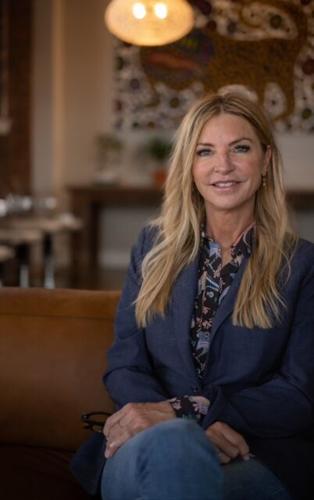
Sarah Martin Anderson is single mother of a teenager. A lifelong Charleston resident, said her main goal in running for city council is to provide better representation for the people in her ward.
Anderson said state and federal legislation is needed to help deal with behavioral health issues that contribute to homelessness.
“We need to make it easier to get these people into a treatment program at a hospital and then we need them to have follow-up care,” she said. “Because when you’re med compliant, things are easier.”
Anderson said re-starting the city’s homeless task force would be a good way to start identifying and helping the people who are down on their luck.
“We need everybody at the table,” she said. “We need everybody to put all of their information out and everything that they do... We need to figure out what is overlap, and what is the gap, and we need to fill in these gaps. Because there are huge gaps that we have, and we can do better.”
Anderson said the city should have a no-tolerance policy for the people she called the “criminal element” of the city’s homeless population.
“These people do not want help. They are here to do you harm. They are hurting our residential homeless,” she said.
As someone with mobility and balance issues due to a mild form of cerebral palsy, Anderson said accessible sidewalks are another important concern.
“People with with scooters — it’s horrible to see people in the street struggling with traffic and semis behind them because they can’t access the sidewalks,” she said.
She said the city should invest into its infrastructure and broadband in order to attract people like those who left bigger cities for smaller areas when the COVID-19 pandemic started.
“I honestly believe that we have the ability to attract those people that want to leave New York City for here, but we have to build we have to build up our infrastructure... we need to build up broadband.”
Swain did not return messages seeking an interview.
CLICK HERE to follow the Charleston Gazette-Mail and receive


