





HUNTINGTON — Fiber could be the secret to improving heart health.
Dr. Kishore Challa, a cardiologist at WVU Medicine Thomas Hospitals, is always encouraging his patients to eat more fiber because it’s great for heart health.
“It causes better endothelial function. Improves the sodium balance and reduces arterial stiffness. All this will decrease the blood pressure on the patient,” Challa said. "Fiber is king, that's what I always say."
Jessica Meek, a registered dietician with Marshall Health Network, agrees that fiber has many benefits.
“It's good for our heart health because it helps bind with cholesterol that we recycle in our body, and (brings) it out of our system so that we don't keep recycling it,” she said.
There are two types of fiber: soluble and insoluble. Soluble fiber dissolves in water to form a gel, slowing digestion to help lower cholesterol and blood sugar. Insoluble fiber does not dissolve, adding bulk to stool and promoting movement through the digestive system.
“Soluble fiber in particular is a really good way to help lower your cholesterol," Meek said. "Studies show that just eating like five to 10 grams of soluble fiber a day can help lower LDL, the bad cholesterol, by five to 11 points, sometimes higher."
Stories you might like
- Senate passes bill prohibiting abortifacients being prescribed or mailed to WV
- State lawmakers OK $200M for ‘Food is Medicine,’ pass ‘Make WV Healthy Act’
- Newly chartered group to advocate for awareness of substance use disorder
- WV House sets up stripping civil service, grievance access from many state employees
She notes a general rule to eat 14 grams of fiber for every 1,000 calories. So if someone is eating 2,000 calories per day, they should get 28 grams of fiber.
“The high-fiber diet is always heart healthy because it works on several key pathways that drive cardiovascular disease. Especially the cholesterol, blood sugar, blood pressure, inflammation, and weight loss,” Challa said. “So when you take soluble fiber, soluble fiber is mostly in oats, barley, and beans. What happens is when you eat it, the bile acids in the intestines bind with this fiber and forces the liver to use circulating LDL. LDL is the bad cholesterol.”
Meek says research shows the order in which you eat your food can have a big impact. Eating a fibrous vegetable first helps stabilize blood sugar for longer. For example, if you go to a steakhouse and order a steak with broccoli and a baked potato on the side, it would be best to eat the broccoli first, then the steak and then the potato.
She says there are lots of misconceptions about what has fiber and what doesn’t. A key example is wheat bread versus white bread. Depending on the brand, both varieties might be low in fiber; you have to check the nutrition labels to know.
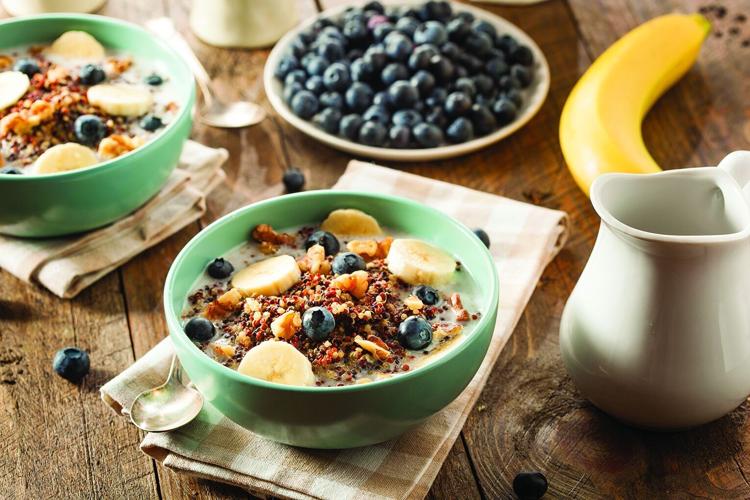
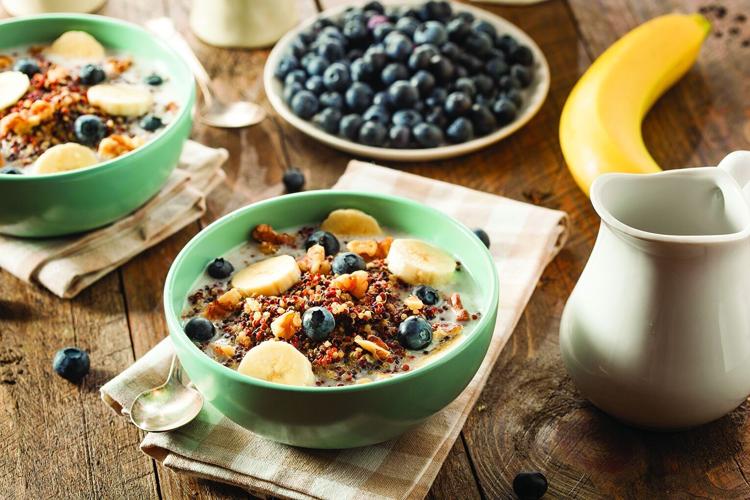
Both providers say that it’s best to meet your fiber goal by consuming naturally occurring fiber and avoiding ultra-processed foods. Challa says he personally gets his fiber through oats in the morning, fruits and avocados throughout the day, and beans and lentils.
Meek also says that everyone should really do their best to eat their fiber through whole foods but if a patient wants to take a supplement, Benefiber is her preferred option. She does not recommend gummies because of additives they might have.
“Benefiber is a good one because it doesn't have any additives. It's just a straight, soluble fiber, and it's not supposed to have a taste in the water,” she said.
CLICK HERE to follow the Charleston Gazette-Mail and receive


